
Aronofsky AI Revolution: Witness History Reimagined in 2024
Aronofsky AI Revolution: Witness History Reimagined in 2024
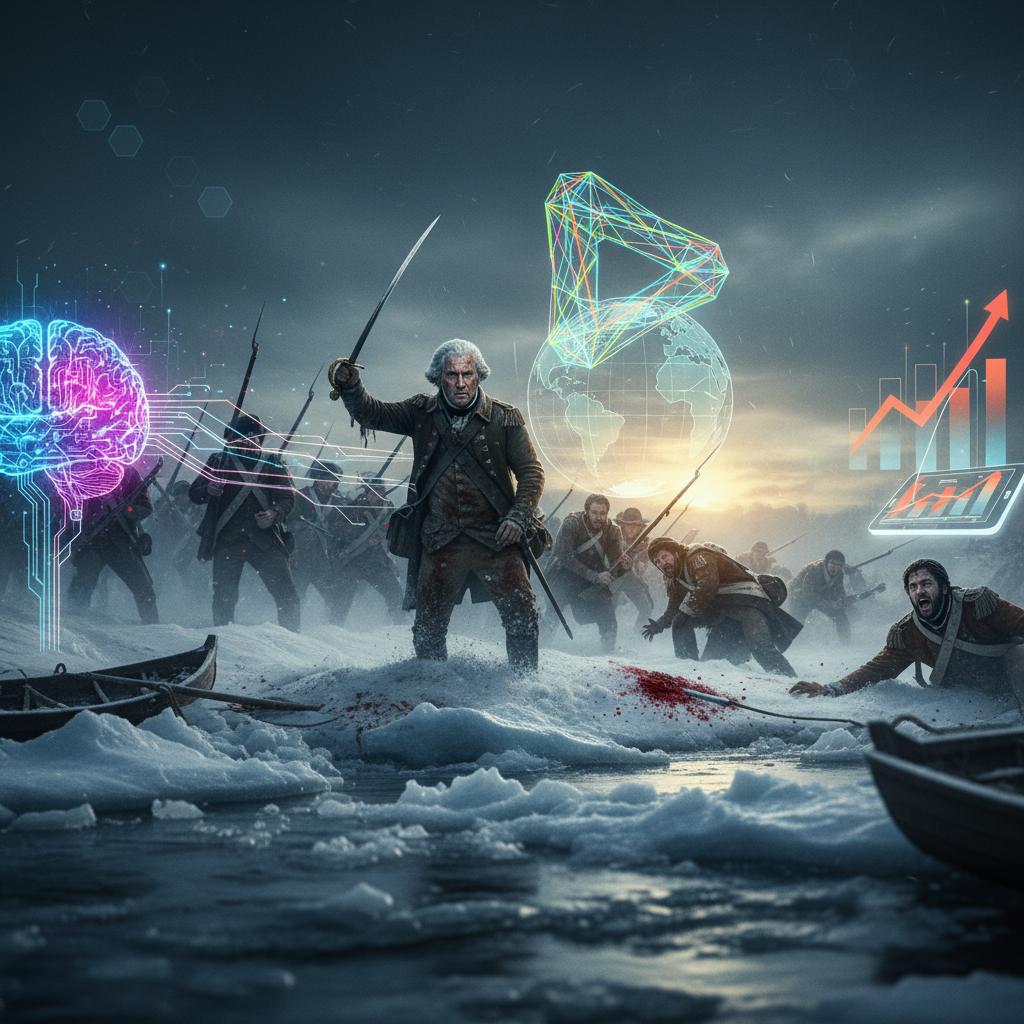
Darren Aronofsky, the visionary director celebrated for his visually arresting and emotionally resonant films like Requiem for a Dream, Black Swan, and The Wrestler, is venturing into uncharted territory with a groundbreaking project: an AI-generated series focusing on the American Revolution. This Darren Aronofsky project promises not only a visually stunning experience but also a historically informed perspective on a pivotal moment in world history. The Aronofsky AI Revolution aims to redefine how we engage with historical narratives, pushing the boundaries of cinematic storytelling and sparking a debate about the role of technology in preserving and interpreting the past. This ambitious undertaking seeks to immerse viewers in the tumultuous era of the American Revolution like never before, utilizing cutting-edge AI technology to bring history to life with unprecedented realism. The series is poised to be a landmark achievement in the intersection of artificial intelligence movies and historical filmmaking.
Featured Snippet: Aronofsky’s AI Revolution is a groundbreaking new series exploring the American Revolution through the innovative use of AI-generated visuals. It leverages advanced AI photo studio technology to meticulously recreate historical scenes with remarkable accuracy, offering a fresh and immersive perspective on this crucial period in American history. The series aims to spark conversations about the potential and ethical considerations of using AI in historical storytelling.
Darren Aronofsky’s Bold Leap: An AI-Generated American Revolution Series
Aronofsky’s decision to explore the American Revolution through the lens of artificial intelligence movies marks a significant departure from traditional filmmaking, signaling a new era in how historical events are portrayed on screen. His initial concept stemmed from a deep-seated desire to push the boundaries of visual storytelling and explore the untapped potential of AI in bringing historical events to life with unparalleled authenticity. The project’s inspiration also comes from a lifelong fascination with the complexities, drama, and profound impact of the American Revolution, a period of intense social and political upheaval that shaped the course of modern history. This Darren Aronofsky project is not just about recreating historical events; it’s about capturing the spirit and essence of a nation in its formative years.
The primary aim of the Darren Aronofsky AI series is to provide a fresh and immersive experience for viewers, transcending the limitations of traditional historical dramas. By using AI to generate historically accurate visuals, the series hopes to attract a wider audience, particularly those who might not typically engage with historical dramas. It also aims to spark conversations about the role of technology in preserving and interpreting history, challenging viewers to reconsider their understanding of the past. The series will delve into the lives of ordinary people caught up in the revolution, offering a nuanced and humanizing perspective on this pivotal moment in history. The question of “Is Aronofsky’s AI series historically accurate?” is paramount to the project’s success.
Initial reactions to the announcement of the Aronofsky AI Revolution have been overwhelmingly positive, with many expressing excitement about the possibilities of AI generated film and its potential to revolutionize the way we experience history. There’s considerable anticipation surrounding the series’ potential impact on the film industry, particularly in the realm of historical storytelling. The project’s innovative approach has already generated significant buzz and is poised to be a major talking point in the coming year, with industry experts predicting that it could set a new standard for historical filmmaking. The Aronofsky American Revolution AI film review process will be closely watched by critics and audiences alike.
Unveiling the AI Photo Studio Technology Behind the Aronofsky AI Revolution
At the heart of the Aronofsky AI Revolution lies sophisticated AI photo studio technology, a cutting-edge suite of tools and algorithms that enable the creation of incredibly realistic visuals by generating images and scenes from scratch using artificial intelligence. This technology allows the production team to meticulously recreate historical settings, characters, and events with a level of detail and accuracy that was previously unattainable. The core principle involves training AI models on vast datasets of images and information, enabling them to produce new visuals that mimic real-world environments and characters with remarkable fidelity. The question of “How was Aronofsky’s AI series created?” is answered by this innovative technology.
Specific AI tools and software play crucial roles in the production. These tools are capable of generating historically accurate costumes, buildings, and landscapes, taking into account the specific materials, styles, and construction techniques of the period. The AI models are trained using extensive historical data and references, including paintings, photographs, written accounts, and archaeological findings from the period. This ensures a high degree of authenticity in the visuals, minimizing the risk of anachronisms or inaccuracies. The “Best AI photo studio for historical films” is a key component of this project.
Training the AI models involves a meticulous process of feeding them information about the American Revolution, including details about clothing, architecture, social customs, military tactics, and even the daily lives of ordinary people. The AI then learns to generate images that conform to these historical parameters, creating a virtual world that is both visually stunning and historically accurate. For example, the AI can create a scene depicting On This Day 1776 with accurate depictions of clothing and weaponry, capturing the atmosphere and tension of the era. The AI can also generate images of key historical figures, such as George Washington, Thomas Jefferson, and Benjamin Franklin, based on historical portraits and descriptions.
Using AI in film production offers several advantages. It’s more cost-effective than traditional methods, as it reduces the need for expensive sets, costumes, and location shoots. It also allows for the creation of scenes that would be physically impossible to film, such as large-scale battle sequences with thousands of soldiers or recreations of historical events that took place in locations that no longer exist. Moreover, AI can significantly speed up the production process, allowing filmmakers to bring their visions to life more quickly and efficiently. For those interested in replicating similar effects, exploring AI tools is key. For a deeper breakdown, explore our AI Tools Guide to see how these compare in real-world use. The “AI photo studio news and updates Aronofsky” project is generating a lot of buzz in the industry.
On This Day 1776: Recreating Historical Accuracy with Artificial Intelligence
Historical accuracy is paramount in the Aronofsky AI Revolution. The production team has taken extensive measures to ensure that the AI-generated content is as authentic as possible, recognizing the importance of representing history responsibly and accurately. This includes consulting with historians and experts in the field of American Revolution history, as well as conducting extensive research to ensure that the AI models are trained on the most reliable and up-to-date information. The team understands that the series has the potential to shape public perception of the American Revolution, and they are committed to ensuring that it does so in a way that is both informative and engaging.
Historical consultants were actively involved in the project, guiding the AI’s depiction of events, characters, and settings. They provided feedback on the accuracy of costumes, weaponry, and social customs, ensuring that the AI-generated visuals were consistent with historical records. These consultants helped the team navigate the complexities of the American Revolution and avoid potential inaccuracies, offering their expertise on everything from the correct terminology to use to the proper etiquette for social gatherings. The consultants also played a crucial role in ensuring that the series accurately portrays the diverse perspectives and experiences of the people who lived through the American Revolution, including those of women, enslaved people, and Native Americans.
Concerns about the accuracy of AI-generated historical narratives are valid. To mitigate these concerns, the production team implemented rigorous fact-checking procedures and worked closely with historians to identify and correct any biases or inaccuracies in the AI’s output. The team also sought to avoid perpetuating harmful stereotypes or misrepresentations of historical events, recognizing the importance of presenting a nuanced and balanced portrayal of the past. The team also established a clear process for addressing any concerns or criticisms that may arise from historians or members of the public.
AI was used to recreate specific historical events and figures from the American Revolution with remarkable detail and realism. For instance, the AI generated images of key battles, such as the Battle of Bunker Hill, and portraits of prominent figures, such as George Washington and Thomas Jefferson. These AI short films aim to transport viewers back in time and provide a visceral experience of the American Revolution, allowing them to witness firsthand the events that shaped the nation. The series also explores lesser-known aspects of the American Revolution, such as the role of espionage and the contributions of ordinary citizens. The “AI generated content and historical narratives” are intertwined in this project.
Ethical Considerations of Using AI in Historical Films: The Aronofsky Project
The use of AI in historical films raises several ethical considerations. There are concerns about the potential for manipulation, misrepresentation, and the perpetuation of biases in AI-generated content. It’s crucial for filmmakers to address these concerns and ensure that AI is used responsibly, recognizing that the technology has the potential to both inform and misinform. The ethical implications of using AI to recreate historical events are complex and multifaceted, requiring careful consideration and a commitment to responsible filmmaking. The “Ethical considerations of AI in historical films” are at the forefront of this project.
Filmmakers have a responsibility to ensure that AI-generated historical content is accurate, unbiased, and respectful of the past. This involves carefully vetting the AI’s output, consulting with historians, and being transparent about the use of AI in the production. It also means avoiding the creation of content that could promote harmful stereotypes or misrepresent historical events, recognizing the potential for AI to perpetuate existing biases or create new ones. Filmmakers also have a responsibility to ensure that the AI-generated content is accessible to a wide audience, including those who may not have access to traditional historical resources.
The use of AI in historical films can impact our perception of history. It’s important for viewers to approach AI-generated narratives with critical thinking skills and to be aware of the potential for bias and inaccuracies. The Aronofsky American Revolution AI film review process will be crucial in evaluating the project’s success in balancing entertainment with historical integrity, ensuring that the series is both engaging and informative. Viewers should also be encouraged to seek out additional information from a variety of sources, including books, documentaries, and museum exhibits, to gain a more comprehensive understanding of the American Revolution.
The production team of the Aronofsky AI Revolution followed specific guidelines and principles to address ethical concerns and promote responsible use of AI. These included prioritizing accuracy, transparency, and respect for historical sources. The team also sought to avoid the creation of content that could be used to promote hate speech or disinformation, recognizing the potential for AI to be used for malicious purposes. The future of AI in filmmaking with Aronofsky and other directors hinges on addressing these concerns effectively, establishing clear ethical guidelines and best practices for the use of AI in historical storytelling. The question of “Where to watch Aronofsky’s AI Revolution series” will also be tied to these ethical considerations, ensuring accessibility and responsible distribution.
The Future of AI in Filmmaking: Beyond the American Revolution Series
The Aronofsky AI Revolution represents a significant step forward in the use of AI in filmmaking, but it is just the beginning. As AI technology continues to evolve, its potential applications in the film industry are virtually limitless. From generating realistic special effects to creating entirely new worlds and characters, AI has the power to transform the way movies are made and experienced. The “Future of AI in filmmaking with Aronofsky” is a topic of much discussion.
One of the most promising areas of development is the use of AI to personalize the viewing experience. AI could be used to tailor movies to individual viewers, adjusting the plot, characters, and even the ending based on their preferences and emotional responses. This could lead to a new era of interactive storytelling, where viewers are actively involved in shaping the narrative. AI could also be used to create more accessible movies for people with disabilities, providing real-time captions, audio descriptions, and sign language interpretation.
Another exciting possibility is the use of AI to create entirely new forms of entertainment. AI could be used to generate original stories, music, and artwork, blurring the lines between human and artificial creativity. This could lead to the emergence of new art forms that are entirely unique to the digital age. However, it is important to consider the ethical implications of using AI to create art, ensuring that human creativity is not devalued or replaced.
The Aronofsky AI Revolution has already sparked a debate about the role of AI in filmmaking, and this debate is likely to continue as AI technology becomes more sophisticated. It is important for filmmakers, technologists, and audiences to engage in a thoughtful and informed discussion about the potential benefits and risks of AI in filmmaking, ensuring that the technology is used in a way that is both creative and responsible. The “Darren Aronofsky AI series release date” is eagerly anticipated, as it will mark a pivotal moment in the evolution of AI in filmmaking. The “American Revolution series” will also serve as a benchmark for future AI-driven historical narratives.