Apple Intelligence Privacy: How Secure AI Shapes the Future of Apple in 2024
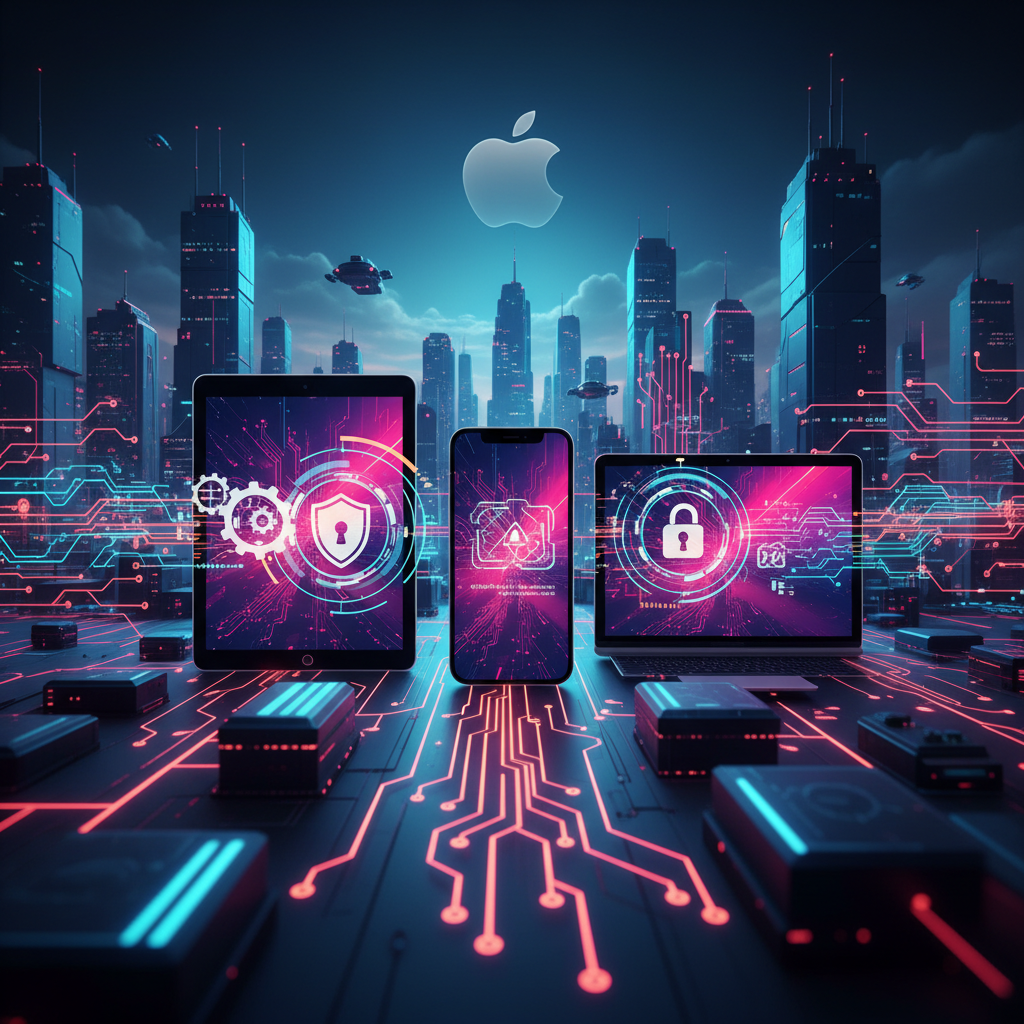
Apple Intelligence Privacy: How Secure AI Shapes the Future of Apple in 2024
Apple Intelligence is poised to revolutionize how we interact with our devices. But what about our data? Apple is betting big on privacy-focused AI, and this article explores how they plan to deliver on that promise.
Apple is prioritizing user data protection in its approach to AI. This means minimizing data collection and maximizing on-device processing.
Understanding Apple Intelligence and Its Privacy-First Design
Apple Intelligence represents Apple’s ambitious foray into the world of AI. It aims to seamlessly integrate AI features across its entire ecosystem.
The core principle is enhancing the user experience while prioritizing data privacy. Apple understands that trust is paramount.
This is reflected in their commitment to minimizing data collection. They also focus on maximizing on-device AI processing wherever possible.
Apple Intelligence offers a range of exciting Apple AI features. These include intelligent photo editing, enhanced Siri capabilities, and personalized suggestions.
All of these features are designed with privacy at the forefront.
Privacy is key to building trust with users. Fostering the adoption of AI technologies depends on it.
Privacy as a Foundation
Apple is positioning Apple Intelligence privacy as a key differentiator. They are setting themselves apart from competitors.
The company believes that AI should enhance, not compromise, user privacy.
This belief is deeply embedded in the design and development process.
The Role of On-Device AI Processing in Apple Intelligence Privacy
On-device AI processing is a game-changer for privacy. It keeps your data local.
This contrasts sharply with cloud-based AI processing, where data is sent to remote servers.
With on-device processing, your data stays on your device.
This significantly reduces the risk of data breaches and unauthorized access. It also addresses concerns about AI data security.
Benefits of Apple Intelligence edge computing are numerous. They include reduced latency, improved responsiveness, and minimized reliance on internet connectivity.
Imagine editing a photo without needing an internet connection. Or getting instant responses from Siri.
Addressing the Limitations
On-device processing has its challenges. These include computational constraints and the need for optimized AI models.
Apple tackles these challenges with its powerful silicon. Their A-series and M-series chips are designed to handle AI tasks efficiently.
These chips allow for complex AI computations without compromising battery life or performance.
Apple’s silicon is specifically designed for secure enclave integration. This is a critical aspect of their privacy strategy.
Leveraging the Secure Enclave for Enhanced Apple Intelligence Data Security
The secure enclave is a hardware-based security component. It resides within Apple devices.
It provides a secure environment for sensitive data and cryptographic operations. Think of it as a vault within your phone.
How does Apple Intelligence use secure enclave? It uses it to protect user data during AI processing. This includes facial recognition data and personal information.
The Secure Enclave isolates AI models. This prevents unauthorized access to user data. It ensures data integrity and confidentiality.
It essentially creates a sandbox where sensitive AI processes can run without risk.
Security Certifications
The Secure Enclave has numerous certifications. These demonstrate its robust security capabilities.
These certifications validate Apple’s commitment to data protection.
They provide users with confidence in the security of their devices.
This hardware-level security is a key component of iOS AI privacy.
Differential Privacy: Anonymizing Data for Apple AI Model Training
Differential privacy is a powerful technique. It protects individual privacy while allowing for meaningful data analysis.
It adds “noise” to the data. This makes it impossible to identify individual users while still preserving overall trends.
Apple Intelligence data collection and usage relies heavily on differential privacy.
Apple Intelligence uses differential privacy to anonymize user data. This happens before it is used to train AI models.
This prevents the identification of individual users. It ensures that AI models are trained on anonymized data.
This is crucial for protecting user data protection while improving AI performance.
Balancing Privacy and Accuracy
There are trade-offs between privacy and accuracy in differential privacy. Apple balances these considerations.
They aim to achieve optimal results without compromising user privacy.
For example, differential privacy is used to improve Siri’s speech recognition capabilities. This allows Siri to learn from user data without compromising individual privacy.
Understanding Apple Intelligence privacy settings is crucial for users. This ensures they can control their data.
For a deeper breakdown, explore our AI Tools Guide to see how these compare in real-world use.
FAQ SECTION
1. What is Apple Intelligence?
Apple Intelligence is Apple’s suite of AI features. It’s designed to be integrated across its ecosystem, focusing on user experience and data privacy. It includes features like intelligent photo editing, enhanced Siri capabilities, and personalized suggestions.
2. How does Apple Intelligence protect my privacy?
Apple Intelligence employs several techniques. These include on-device AI processing, the Secure Enclave, and differential privacy. On-device processing keeps data local. The Secure Enclave protects sensitive data. Differential privacy anonymizes data used for AI model training.
3. Why is privacy important for Apple Intelligence?
Privacy is paramount for building trust with users. It’s also important for fostering the adoption of AI technologies. Apple believes that AI should enhance, not compromise, user privacy.
4. What are the benefits of Apple Intelligence’s privacy features?
The benefits are numerous. They include reduced risk of data breaches, improved data security, and enhanced user control over their data. Users can enjoy AI features without sacrificing their privacy.
5. How can I use Apple Intelligence features while maintaining privacy?
Users can review and adjust their Apple Intelligence privacy settings. They can also understand how each feature uses data. By being informed and proactive, users can maintain control over their privacy.