FACT FOCUS: AI Generated Mayor Images Debunked – How to Spot the Fakes in 2024
FACT FOCUS: AI Generated Mayor Images Debunked – How to Spot the Fakes in 2024
The digital age has ushered in incredible advancements, but also new challenges. One of the most pressing is the proliferation of AI-generated content, particularly images. These fake AI photos, once easily identifiable, are becoming increasingly sophisticated, blurring the lines between reality and fabrication. This is particularly concerning when it comes to political figures, where AI generated mayor images can be used to spread misinformation and manipulate public opinion. The rise of AI photo studio news highlights the rapid advancements in this technology, making it even more crucial to develop robust AI image detection methods. Learning how to identify AI generated images online is no longer a luxury, but a necessity for informed citizens.
AI-generated images are becoming more realistic, making them harder to spot. Learn how to identify inconsistencies like unnatural lighting or distorted features. Use AI image detection tools and reverse image searches to verify authenticity and avoid spreading misinformation. Stay informed about deepfake detection techniques and fact checking AI images of politicians to protect yourself from manipulation.
The Rise of AI Generated Mayor Images and Political Misinformation
The increasing sophistication of AI image generation tools has made it alarmingly easy to create realistic but fabricated images. This poses a significant threat to political discourse. Tools that were once used for harmless fun are now capable of generating convincing deepfakes that can deceive even the most discerning eyes. The impact of AI on political misinformation is undeniable, and the spread of AI generated mayor images is just one example of this growing problem.
AI-generated images can be weaponized to spread misinformation, damage reputations, and influence public opinion. This is especially dangerous when concerning political figures like the NYC mayor. These images can be strategically released to sway voters or discredit opponents. For instance, a fabricated image showing a mayor at a controversial event could significantly impact their approval ratings. It’s crucial to understand the dangers of AI generated misinformation and how it can be used to manipulate public perception.
The speed at which these images can spread online, particularly through social media, amplifies their potential impact. Timely debunking is crucial, but often lags behind the rapid dissemination of these AI-generated fakes. The echo chambers of social media further exacerbate the problem, solidifying false narratives in the minds of many. It’s vital to learn how to tell if a photo is AI fake. This includes understanding the telltale signs of AI manipulation and utilizing available resources for fact-checking and verification.
Debunking the AI Generated Photos of the NYC Mayor with Jeffrey Epstein
Recently, several AI generated mayor images depicting the NYC mayor with Jeffrey Epstein have been circulating online. These images are entirely fabricated and designed to create a false association. Fact-checking organizations have been quick to debunk these claims, highlighting the importance of their role in combating AI-driven misinformation. These examples of AI generated fake news underscore the need for constant vigilance and critical thinking.
Analyzing these specific images reveals inconsistencies and artifacts indicative of AI manipulation. For example, unnatural lighting, distorted facial features, and odd background details are common giveaways. These visual anomalies are often overlooked by casual observers but are readily apparent upon closer inspection. In one instance, the lighting on the mayor’s face in an AI-generated image was inconsistent with the lighting on Epstein, a clear indication of manipulation.
The context in which these images appeared is also telling. Often, they originate from anonymous sources or social media accounts with a history of spreading misinformation. The narratives they promote are typically designed to sow discord and undermine public trust in political figures. The debunking of AI images of politicians is critical for maintaining a healthy democracy. It’s important to remember that even seemingly harmless AI-generated content can be used to spread false narratives and manipulate public opinion.
Identifying AI Fakes: Key Techniques for AI Image Detection
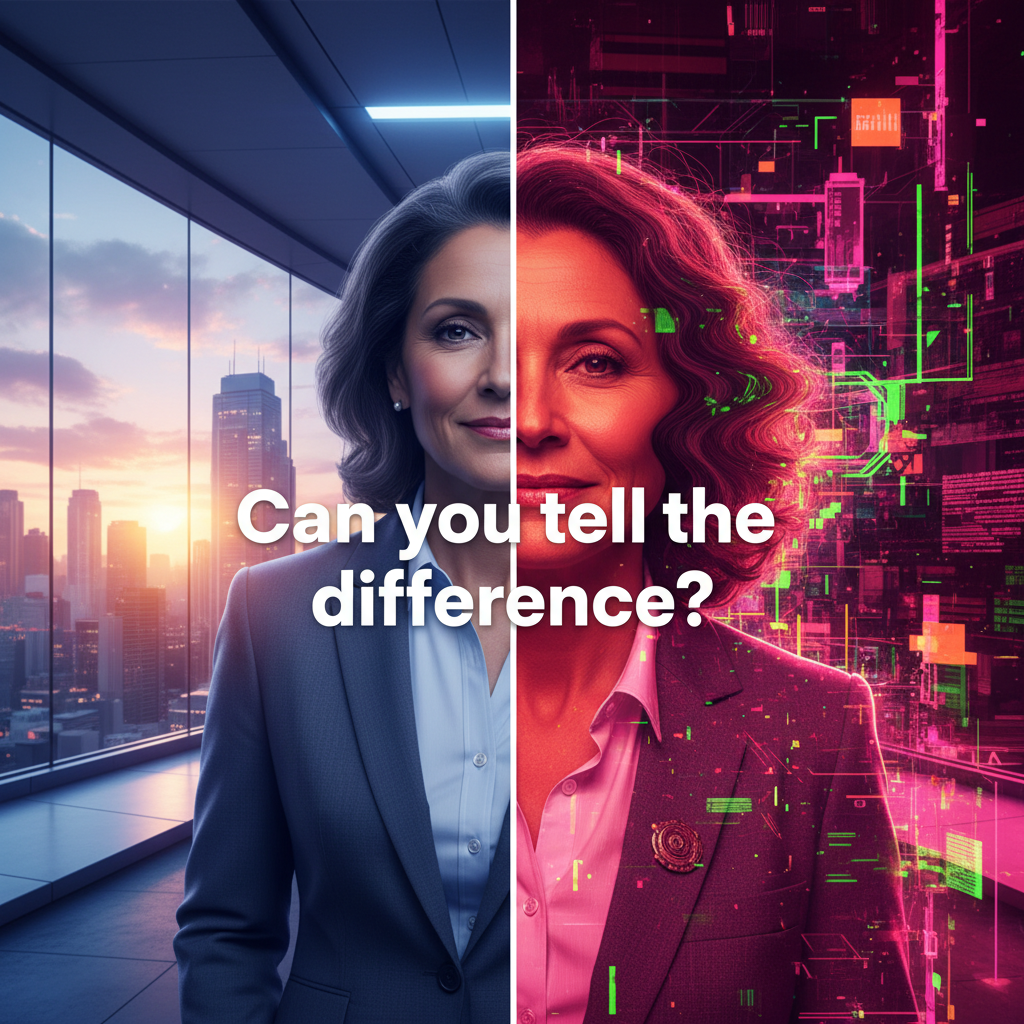
Understanding the common artifacts and inconsistencies found in AI-generated images is the first step in AI image detection. Look for unnatural lighting, distorted facial features (especially around the eyes and mouth), and repetitive patterns in the background. These are all telltale signs of AI manipulation. For example, AI-generated faces often have asymmetrical features or blurry edges around the hair. Spotting these subtle inconsistencies can help you identify AI fakes.
Utilizing AI image detection tools and software can significantly aid in identifying AI fakes. These tools analyze images for signs of manipulation, including inconsistencies in pixel patterns and metadata. Some tools even provide a confidence score, indicating the likelihood that an image is AI-generated. Several online platforms offer free or subscription-based AI image detection services. These tools can be particularly useful for verifying the authenticity of images encountered on social media or in news articles.
Employing reverse image search is another valuable technique. By uploading an image to a search engine like Google Images, you can trace its origin and identify whether it has been altered or fabricated. If the image appears on multiple websites with conflicting information, it’s likely a fake. This is a crucial step in fact checking AI images of politicians. Reverse image search can also help you identify the original source of an image and determine whether it has been manipulated or taken out of context.
The Role of AI in Spreading Misinformation and the Dangers of Deepfakes
AI is increasingly used to create deepfakes, which are highly realistic but fabricated videos and images. These deepfakes can be difficult to distinguish from genuine content, posing a significant threat to public trust and political discourse. The dangers of AI generated misinformation are real and growing. The ability to create convincing deepfakes has made it easier than ever to spread false narratives and manipulate public opinion.
The potential for deepfakes to be used in political campaigns is alarming. They can be used to spread false information, manipulate voters, and damage the reputations of candidates. Imagine a deepfake video of a candidate making inflammatory remarks that they never actually said – the damage could be irreparable. The use of deepfakes in political campaigns raises serious ethical concerns and highlights the need for regulations and policies to address this growing threat.
The ethical considerations surrounding the creation and dissemination of deepfakes are paramount. Transparency and accountability are essential to prevent their misuse. There needs to be a clear understanding of the potential harm they can cause and regulations to prevent their malicious deployment. This includes educating the public about the dangers of deepfakes and providing them with the tools and resources they need to identify and debunk them.
Fact-Checking Resources for AI-Generated Content and Identifying AI Fakes
Several reputable fact-checking organizations and media outlets specialize in debunking misinformation and verifying the authenticity of online content. Snopes, PolitiFact, and FactCheck.org are excellent resources for verifying claims and identifying AI-generated fakes. These organizations employ teams of experienced journalists and researchers who are dedicated to uncovering the truth and exposing false narratives.
Individuals can also use various resources and tools to assess the credibility of images and videos they encounter online. TinEye is a reverse image search engine that can help trace the origin of an image. Our AI Tools Guide offers a breakdown of AI tools for image analysis and verification. These tools can help you identify inconsistencies and anomalies that may indicate AI manipulation.
Encouraging critical thinking and media literacy is crucial in helping people discern between genuine and fabricated content. Question the source, consider the context, and look for evidence to support claims before sharing information online. This includes being aware of your own biases and seeking out diverse perspectives. By developing strong critical thinking skills, you can become a more informed and responsible consumer of online content.
Political Implications of AI Deepfakes and AI Generated Mayor Images
AI-generated deepfakes have the potential to significantly impact political elections and public discourse. They can be used to manipulate voters, spread false information, and undermine trust in democratic institutions. The impact of AI on political misinformation is profound and far-reaching. The use of AI to create and disseminate fake news poses a serious threat to the integrity of democratic processes.
Regulations and policies are needed to address the spread of AI-generated misinformation and protect the integrity of democratic processes. This may include requiring disclosure of AI-generated content, establishing legal penalties for malicious use of deepfakes, and promoting media literacy education. Some countries are already exploring legislation to regulate the use of deepfakes in political campaigns.
Social media platforms have a crucial role to play in combating the spread of deepfakes and other forms of AI-generated misinformation. They need to invest in AI-powered detection tools, implement stricter content moderation policies, and work with fact-checking organizations to identify and remove false content. For a deeper breakdown, explore our AI Tools Guide to see how these compare in real-world use. Social media companies have a responsibility to protect their users from the harmful effects of AI-generated misinformation.
AI Photo Studio News: The Future of AI and Misinformation
AI image generation technology is constantly advancing, leading to the potential for even more realistic and convincing deepfakes in the future. This poses a significant challenge for AI image detection and requires ongoing efforts to develop more sophisticated detection tools. Recent AI photo studio news highlights the rapid advancements in AI image generation, making it even more difficult to distinguish between real and fake images.
Fortunately, AI-powered tools for detecting deepfakes and other forms of AI-generated misinformation are also being developed. These tools use machine learning algorithms to analyze images and videos for subtle signs of manipulation. These AI image detection tools are constantly evolving to keep pace with the advancements in AI image generation.
Collaboration between researchers, policymakers, and technology companies is essential to address the challenges posed by AI-generated misinformation. By working together, we can develop effective strategies for preventing the spread of false information and protecting the integrity of our democratic processes. Consider the recent AI photo studio news, highlighting new advancements in both generation and detection technologies. This collaborative effort is crucial to ensuring that we can stay ahead of the curve in the fight against AI-generated misinformation. The Zohran Mamdani AI and Mira Nair AI images that have surfaced recently are just a few examples of how AI can be used to create fake news.
FAQ Section
1. What is an AI generated image?
An AI-generated image is a picture created using artificial intelligence algorithms. These algorithms, often based on deep learning models, can generate realistic or stylized images from text prompts, existing images, or entirely from scratch. They are increasingly used for various purposes, from art creation to generating content for marketing and advertising. Understanding how these images are created is the first step in learning how to identify them.
2. How does AI image generation work?
AI image generation typically involves training a neural network on a massive dataset of images. The network learns the patterns and structures within these images and can then generate new images based on these learned patterns. Models like GANs (Generative Adversarial Networks) are commonly used, where two networks compete against each other to produce increasingly realistic images. The process involves complex mathematical calculations and algorithms, but the basic principle is to mimic the way the human brain learns and creates images.
3. Why is AI image detection important?
AI image detection is crucial for combating the spread of misinformation and protecting against fraud and deception. As AI-generated images become more realistic, it becomes increasingly difficult to distinguish them from genuine photos. AI detection tools help identify these fakes, preventing their misuse in political campaigns, news reporting, and other sensitive areas. The ability to detect AI-generated images is essential for maintaining trust in information and protecting ourselves from manipulation.
4. What are the benefits of detecting AI fakes?
Detecting AI fakes offers several benefits: it helps maintain trust in information sources, prevents the manipulation of public opinion, protects individuals and organizations from reputational damage, and safeguards against fraud and scams. By identifying and debunking AI-generated fakes, we can promote a more informed and trustworthy online environment. This includes preventing the spread of AI generated mayor images and other forms of political misinformation.
5. How to use AI detection tools effectively?
To use AI detection tools effectively, start by uploading the image in question to the tool. Analyze the results carefully, paying attention to the confidence score and any identified anomalies. Cross-reference the results with other fact-checking resources and reverse image searches for additional verification. Remember that no tool is foolproof, so critical thinking and media literacy are essential. It is important to use multiple tools and techniques to verify the authenticity of an image before sharing it.