Teen Views on AI Photo Editing Spark Debate: Impact on Self-Perception
Teen Views on AI Photo Editing Spark Debate: Impact on Self-Perception
Dateline (New York, October 26, 2024)
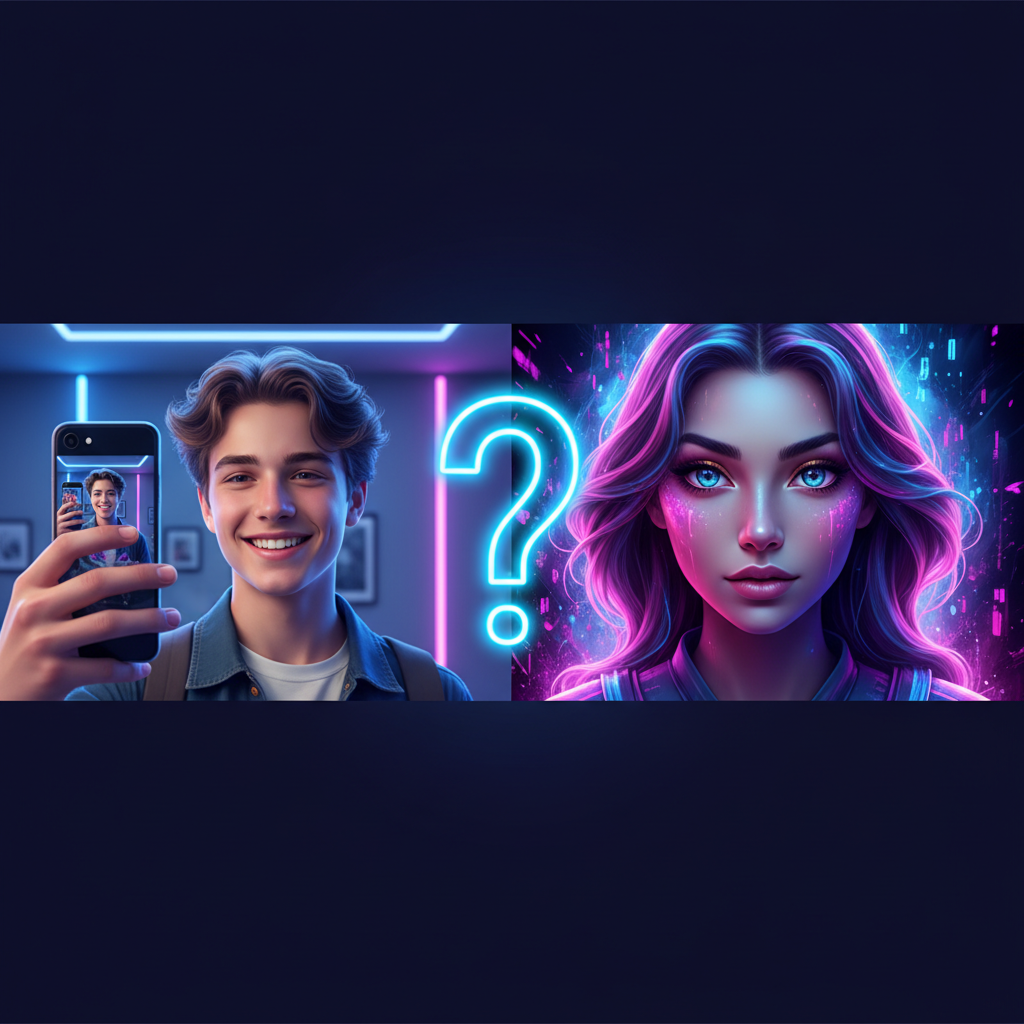
Teenagers are increasingly turning to AI photo editing tools to enhance their online appearance, sparking a debate about the impact on self-perception. A recent New York Times article (Source: The New York Times) explored student perspectives on the ethical implications of using filters and AI to modify photos. The discussion highlights concerns about authenticity, unrealistic beauty standards, and the pressure to conform across online forums and school hallways.
Context
The rise of AI photo studio software and AI image generation tools has democratized photo manipulation, making it easier than ever to alter one’s appearance. This trend coincides with a growing awareness of the negative effects of social media on mental health, particularly among young people, as platforms like Instagram fuel the desire for picture-perfect online personas. The ease of use and accessibility of these tools have fueled a debate about their role in shaping online identities. The use of AI photo editing tools is growing exponentially; for more information, check out our article on the best AI photo editor 2026.
Key Details
The New York Times article (Source: The New York Times) features diverse student opinions on using AI filters and generators. Some students argue that these tools are harmless and allow for self-expression, offering a creative outlet for enhancing photos for social media. Others express concern about the creation of unrealistic expectations and the potential for these tools to exacerbate insecurities. The article includes quotes from teenagers highlighting both positive and negative aspects of AI photo editing, showcasing the complex relationship young people have with these technologies. AI tools like AI headshot generators are also commonly used. While displaying before-and-after photos would be ideal, usage rights must be considered.
Industry Impact
The growing popularity of AI photo editing is driving significant demand for AI photography platforms and virtual photo studios. This trend is also putting pressure on social media platforms to address the issue of manipulated images and consider implementing measures to promote transparency. Competitors in the AI image space are beginning to respond to ethical concerns by developing features that promote responsible use and discourage the creation of unrealistic images. For more information on tools that can help create a great image, check out AI portrait generator tool reviews.
Expert Analysis
Psychologists and media literacy experts are raising concerns about the impact of AI-altered images on self-esteem and body image, particularly among vulnerable teenagers. They suggest that the constant exposure to digitally enhanced images can lead to feelings of inadequacy and contribute to the development of mental health issues like anxiety and depression. There is also discussion about the potential for AI to exacerbate existing social inequalities, as access to these tools may be limited for some individuals. Ethical considerations for developers of AI photo editing software include promoting realistic representations of beauty and implementing measures to prevent the misuse of these tools.
What’s Next
Future developments in AI photo editing technology are likely to include even more sophisticated and realistic image manipulation capabilities. There is also potential for the development of regulations or guidelines for the use of AI in image manipulation, particularly in the context of advertising and social media. Ongoing discussions about the ethical implications of AI in the digital age are crucial to ensure that these technologies are used responsibly and do not contribute to the erosion of self-esteem and body image.
Frequently Asked Questions
How is AI photo editing affecting teenagers’ self-esteem?
AI photo editing can negatively impact self-esteem by promoting unrealistic beauty standards. Constant exposure to digitally altered images can lead to feelings of inadequacy and contribute to mental health issues, especially among vulnerable teenagers who are still developing their self-image.
What are the ethical concerns surrounding AI photo editing?
Ethical concerns include the potential for AI photo editing to promote unrealistic expectations, exacerbate social inequalities, and contribute to the erosion of authenticity. There are also concerns about the misuse of these tools for malicious purposes, such as creating deepfakes or spreading misinformation.
Are social media platforms addressing the issue of AI-manipulated images?
Yes, some social media platforms are beginning to address the issue by implementing measures to detect and flag AI-manipulated images. However, more needs to be done to promote transparency and educate users about the potential harms of these technologies.
Conclusion
The debate surrounding AI photo editing reflects a broader concern about the impact of technology on identity and authenticity. As AI becomes more sophisticated, it is crucial to have open and honest conversations about its ethical implications and to develop strategies for promoting responsible use. For more information on what the future holds, read our article discussing the future of AI photo studio software.
—
Sources: The New York Times
OUTPUT METADATA: